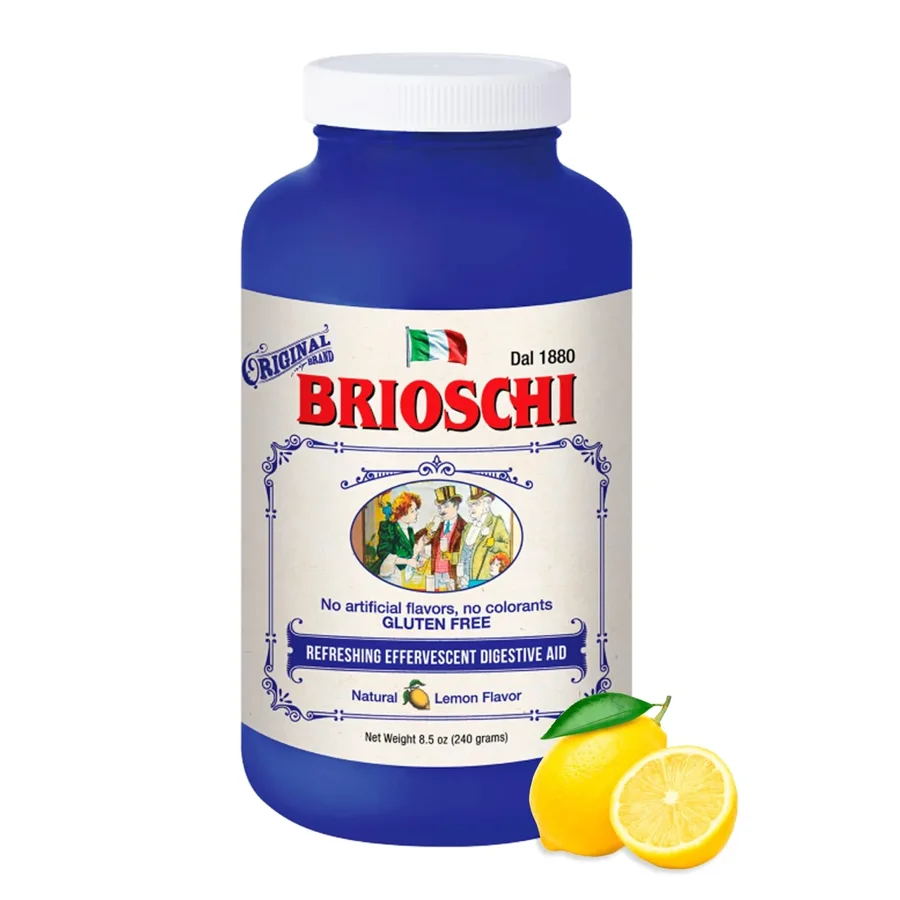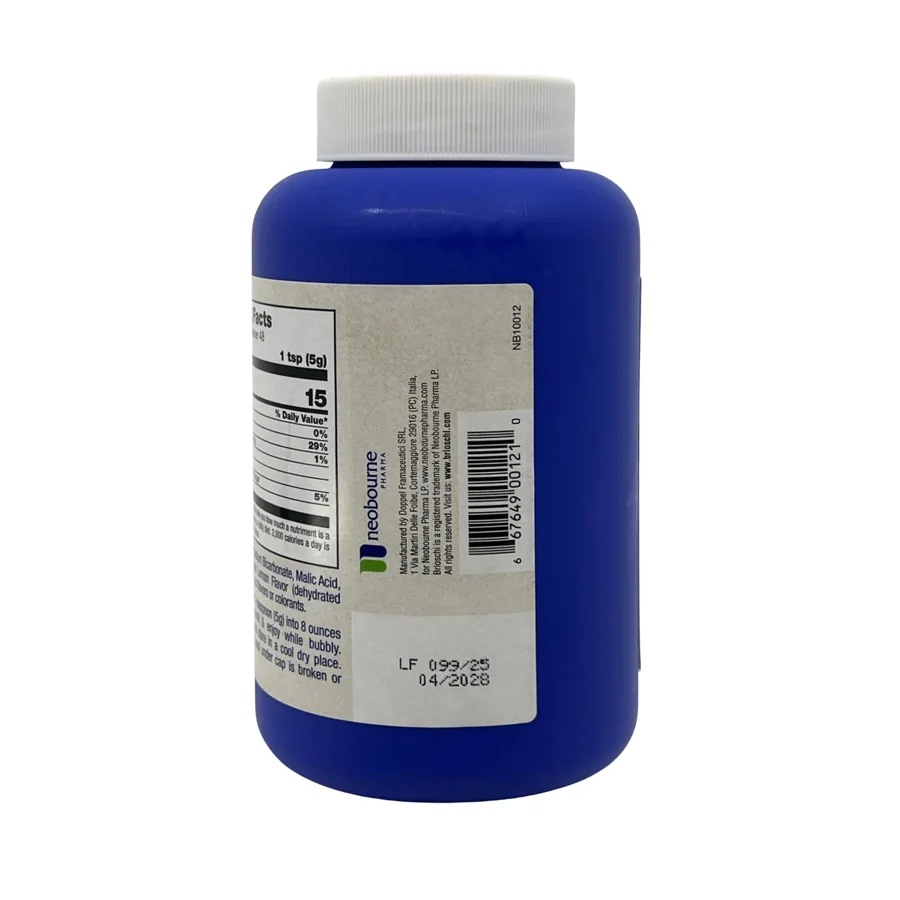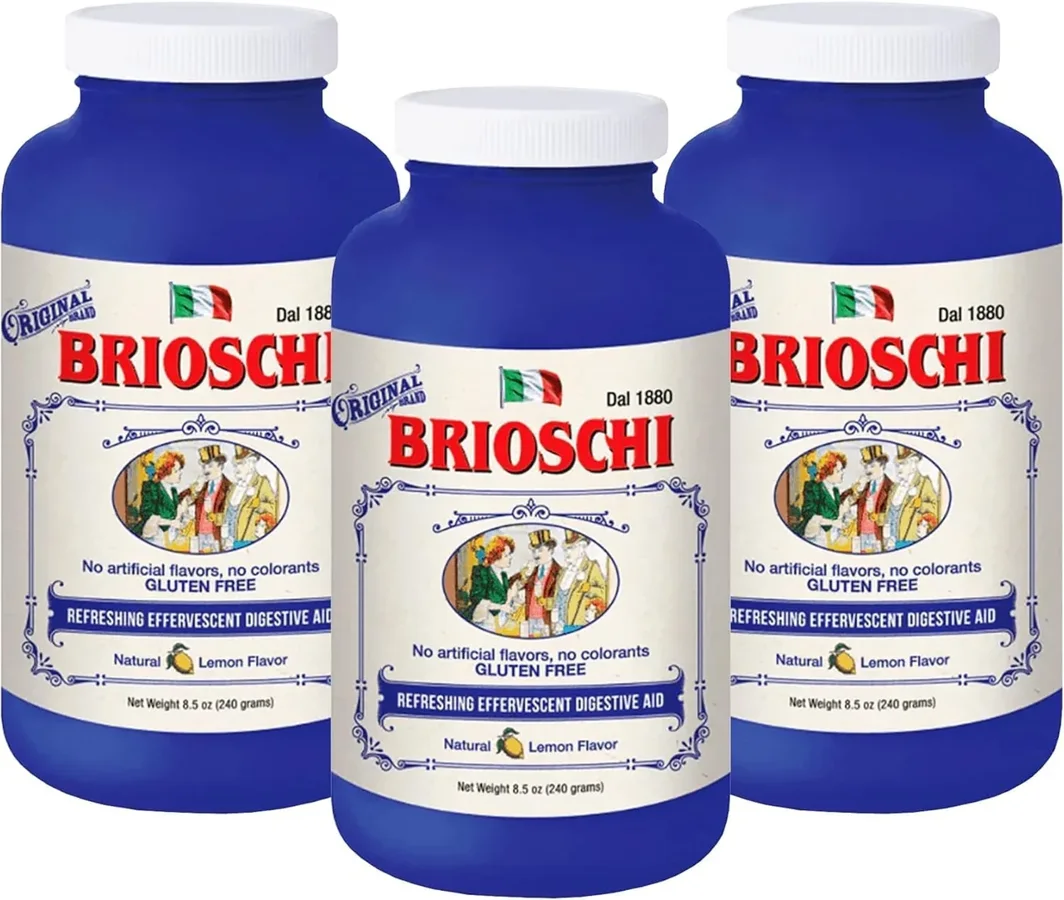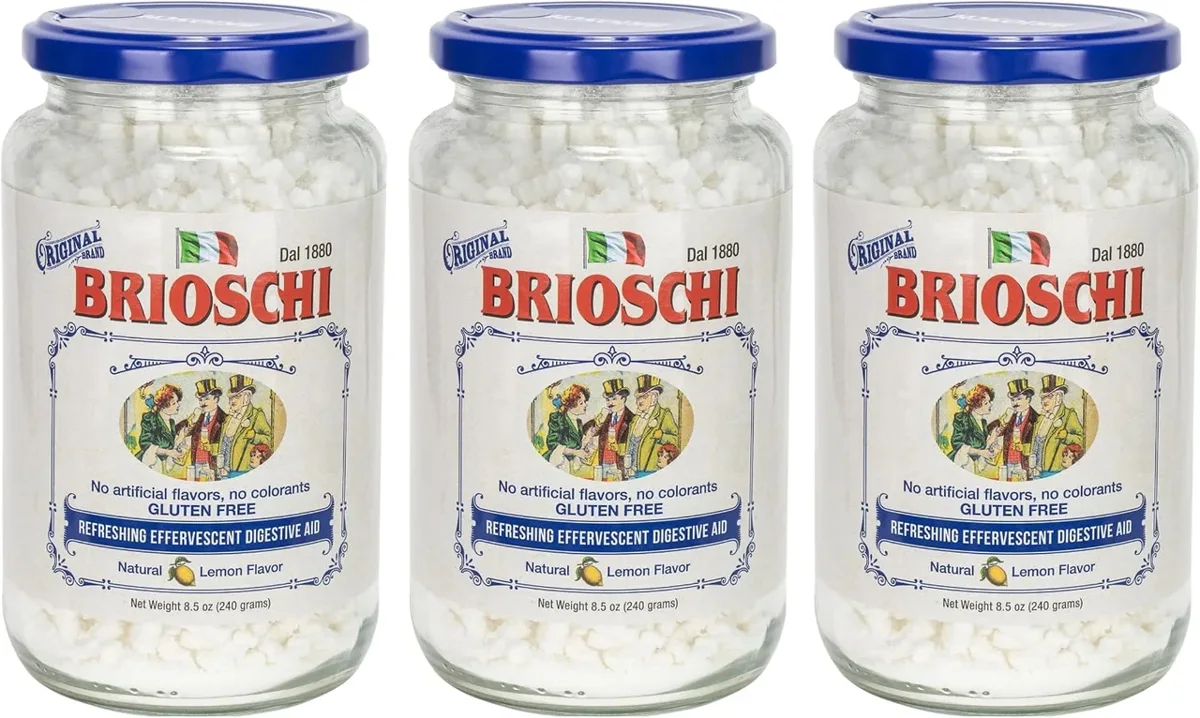
To make the familiar sparkling lemon drink, buy Brioschi Original Lemon Effervescent granules. To keep a citrus sweet in your bag, buy the individually wrapped hard candies. The brand name, lemon imagery and promise of fizz make the two easy to mix up online. What arrives is quite different. The bottle holds loose granules to measure and fully dissolve in water according to its directions. The candy bag holds sweets with a firm shell and fizzy center. Opening a wrapper is all the preparation those require.
We recommend a single bottle for someone new to the drink and a single bag for someone new to the candies. The current collection includes eleven purchase configurations across Original granules, Heritage granules, lemon candy and orange candy. We've grouped them into one review because extra bottles or larger bags change value and storage. They don't create new recipes. Verified buyer accounts provide a useful guide to flavor, especially where two people disagreed about the very same orange sweet. Brioschi collection
Read the two lines underneath the logo
The fastest way to identify the right Brioschi is to look for the format and the net quantity on the listing. “Original Lemon Effervescent” on an 8.5 oz bottle points to the granules. “Lemon Fizzy Candies” on a 5.29 oz bag points to hard candy. A number three in a photograph tells you very little until you know whether that's three bottles or three bags. Taking a moment to read the full pack description prevents an order that looks convincing in a thumbnail and makes no sense when opened.
| What the source calls it | What is inside | Available configurations in this catalog |
|---|---|---|
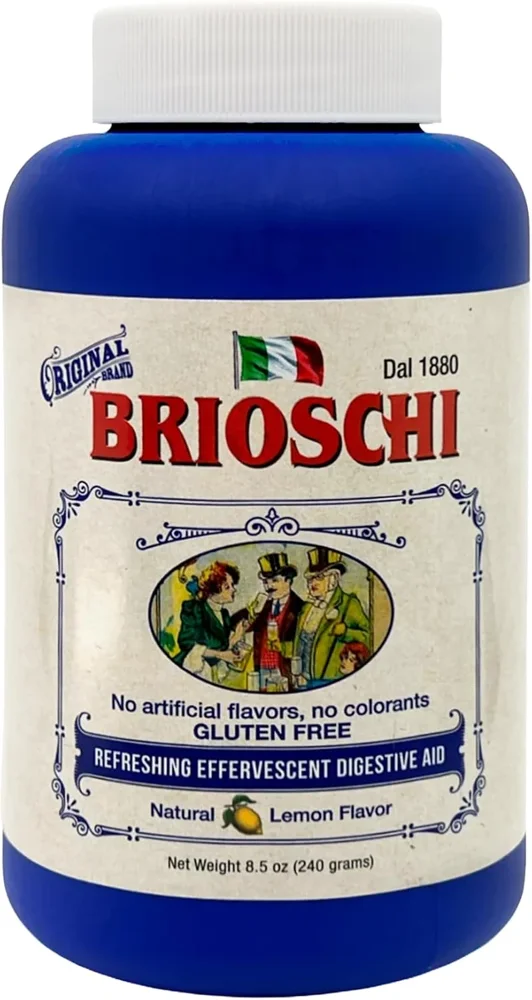
| Original Lemon Effervescent | Lemon granules for dissolving in water | One, two or three 8.5 oz bottles |
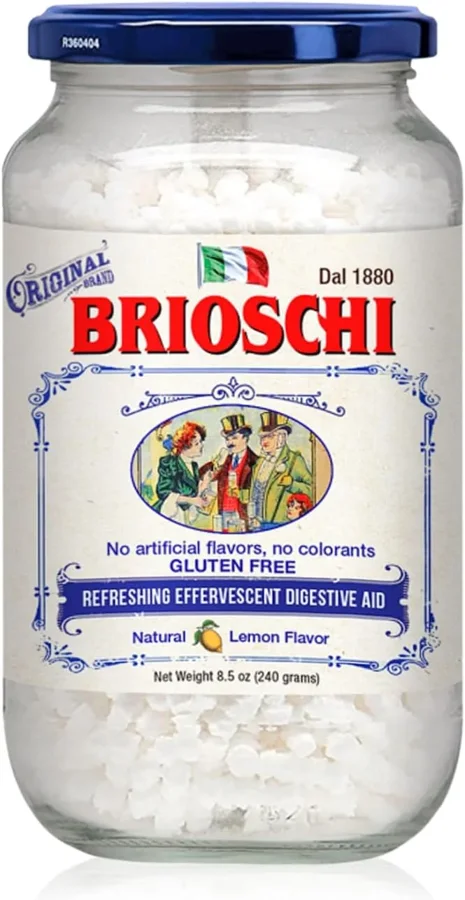
| Heritage Lemon Effervescent | Lemon granules in glass | One or three 8.5 oz glass bottles |
| Lemon Fizzy Candies | Individually wrapped hard candies, fizzy center | One or three 5.29 oz bags, or 2.2 lb bulk bag |
| Orange Fizzy Candies | Individually wrapped orange hard candies, fizzy center | One or three 5.29 oz bags, or 2.2 lb bulk bag |
The manufacturer's broader site also shows a ready-to-drink product, fiber and several gummies. Those names belong to the broader Brioschi brand. They aren't what the eleven selections in this particular collection deliver. That's especially relevant if an online search starts with Brioschi and ends on a photo of a can. Someone standing in a hotel room with a sealed bottle of granules still needs a glass, water and a way to measure the amount on the label. Manufacturer's product range · Original single bottle
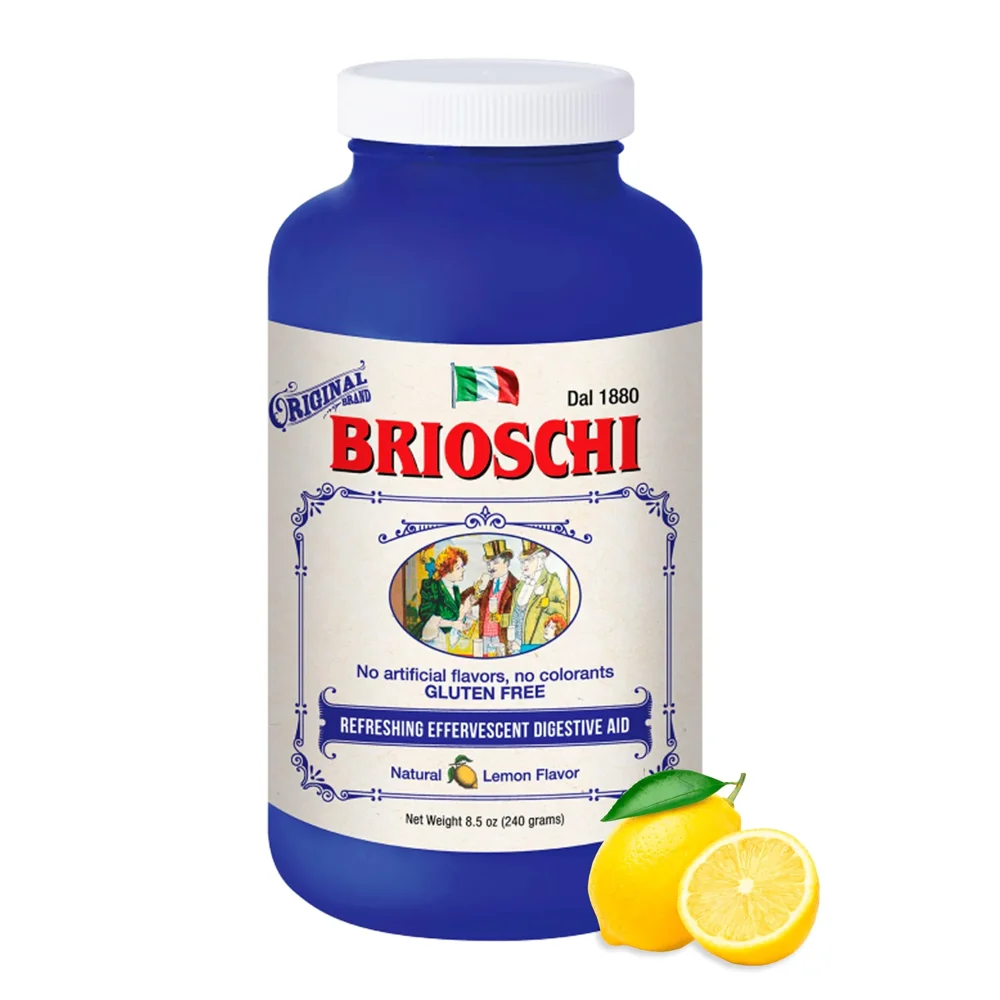
The blue bottle and the glass bottle
The Original and the Heritage are the closest pair here. The collection lists the same ingredient sequence for the lemon granules, and the manufacturer's website presents Heritage as the return of the original glass bottle. Both require dissolving the measured product in water. The glass version changes what you can see and how you handle the package. You can see the remaining granules through the side, and a glass bottle may have personal appeal as a familiar object in a family kitchen. The material doesn't add another active ingredient or create a special flavor.
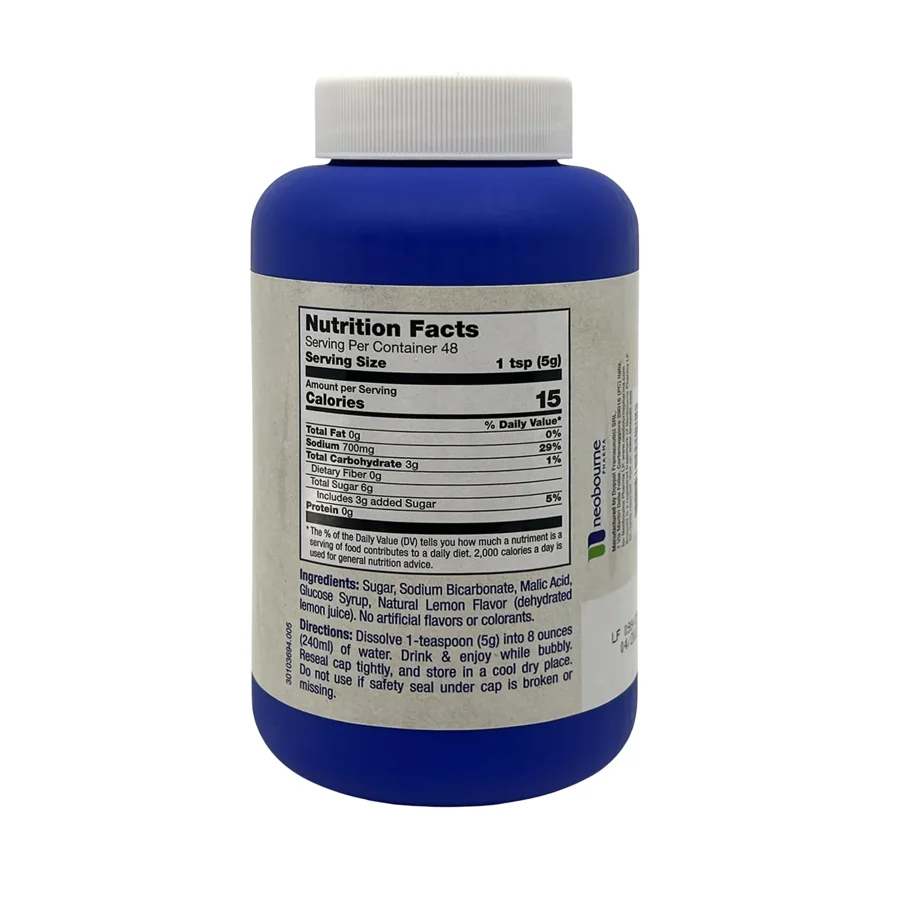
On the Heritage listing, the package is 8.5 oz and the source identifies 48 labeled servings. The manufacturer's instructions for its US Original and Heritage products specify dissolving a five-gram teaspoon measure in four to six ounces of water. Use the directions printed on the package you actually receive. If two packages use different wording, neither a recollection from childhood nor a retailer review should override those instructions. In particular, anecdotes about putting dry granules directly into the mouth are poor guides to a product meant to be dissolved. Heritage bottle · US manufacturer's directions
Consider the journey a replacement bottle has to make. A glass container can be an attractive gift when someone specifically remembers that bottle on a relative's shelf. If it will travel in a crowded shopping bag or be delivered alongside several heavy items, its breakability becomes part of the choice. Read the pack description and check the safety seal and bottle when they arrive. For someone who simply wants to compare the drink with a memory, a single bottle is enough; buying three pieces of glass tells you nothing more about how it tastes.
What makes the granules fizz
The listed granule ingredients are sugar, sodium bicarbonate, malic acid, glucose syrup and natural lemon flavor identified with dehydrated lemon juice. Water brings the acid and bicarbonate into contact so the mixture releases carbon dioxide. The visual change belongs to the preparation of the drink: bubbles rise as the granules dissolve. The number or vigor of bubbles in a home glass doesn't measure how effective the product might be for someone's symptoms. A taste review can explain the drink without turning a kitchen observation into a medical claim. Original granule ingredients
Moisture matters before preparation as well. The catalog calls for closing the bottle firmly and keeping it cool and dry. A shelf beside a steaming kettle makes dry storage harder. So does putting a damp spoon back into the bottle. If several people share a kitchen, leaving the instructions with the original container gives everyone the same reference for both preparation and storage. A clear jar on display may be attractive, but it separates loose white granules from the label that identifies them.
One reason to favor the measured granules is that you can prepare the specified amount when you need it and leave the rest dry. A bottle of carbonated lemon drink is ready immediately, but it starts losing carbonation after opening. Conversely, someone buying refreshments for a picnic may prefer individually sealed cans because no water, measuring spoon or mixing glass is needed. It's the practical difference between carrying an ingredient and carrying the finished serving. The two are easy to compare on convenience, much harder to compare by the price of one container alone.
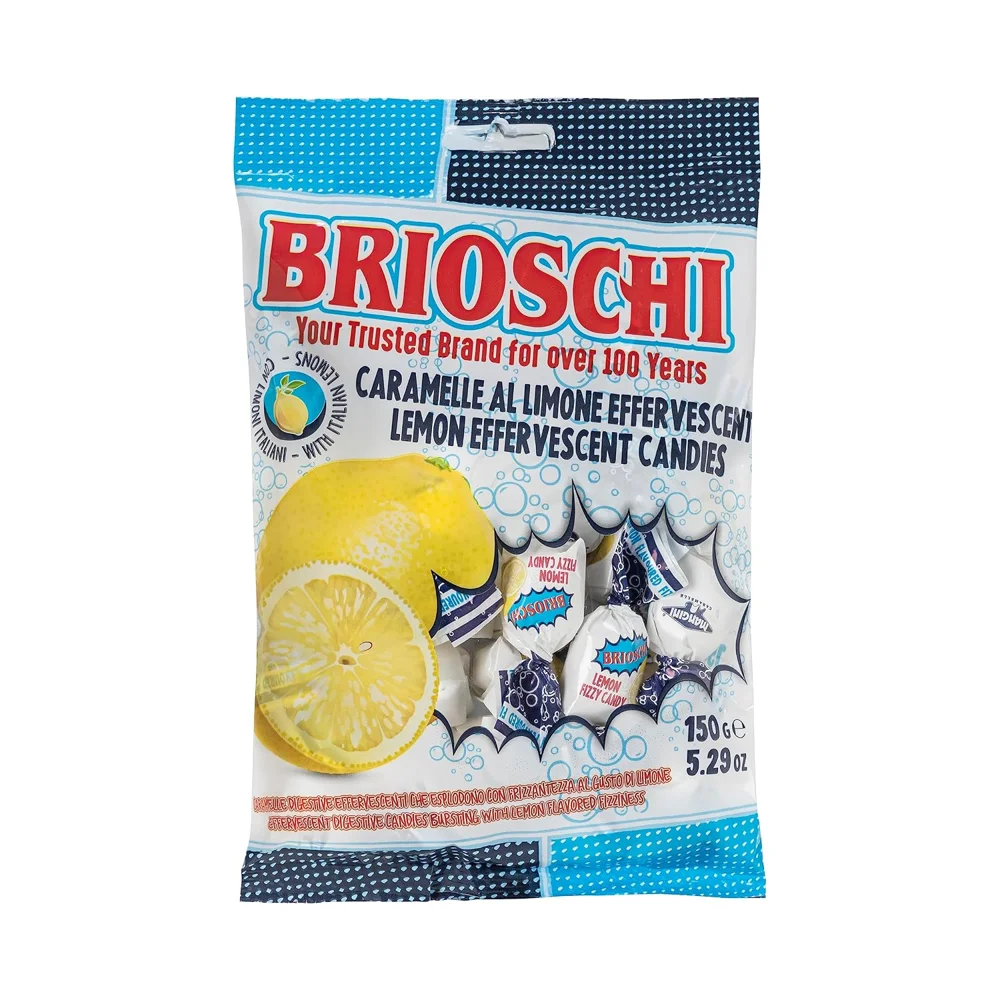
Lemon and orange side by side
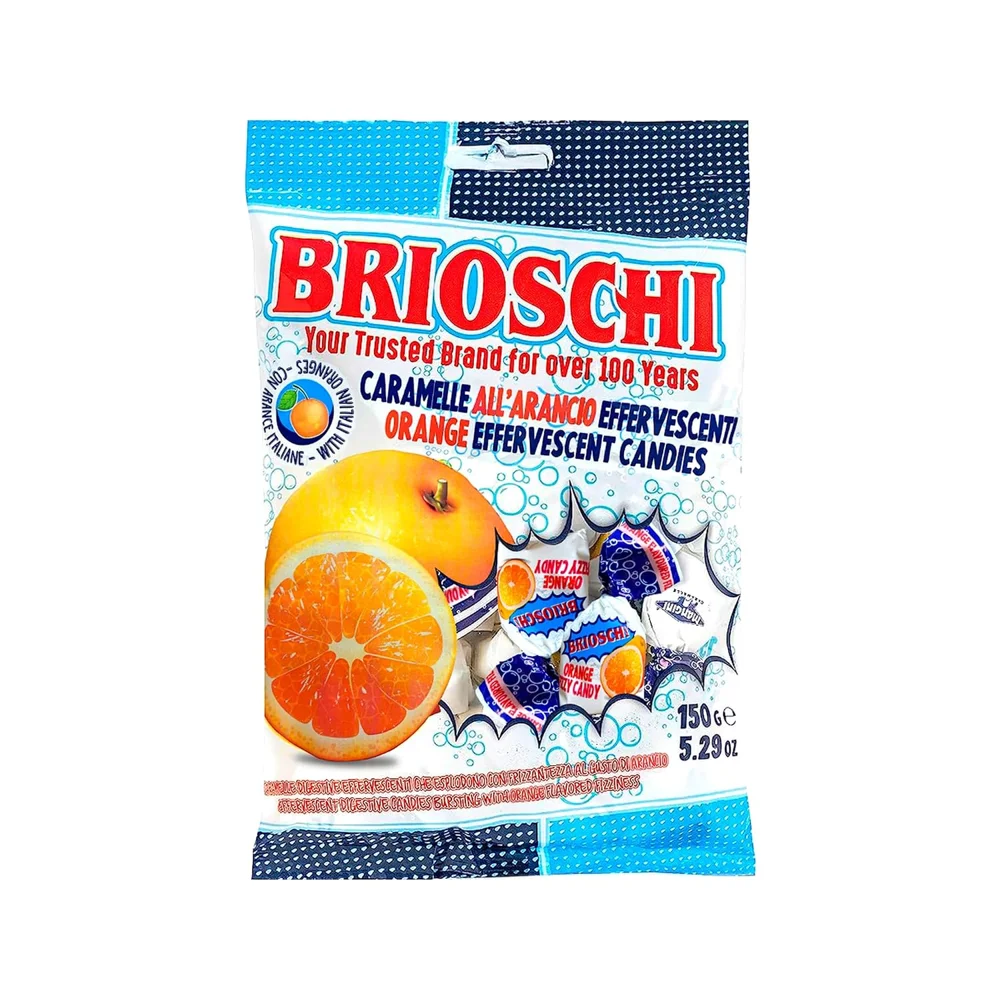
The two candy flavors share a basic idea: a hard citrus shell, a fizzy middle and a wrapper around each piece. Their ingredient lists give a more specific picture. The lemon listing names sugar, corn syrup, tartaric acid, sodium bicarbonate, lemon fruit juice, citric acid and lemon essential oil. The orange listing names sugar, corn syrup, sodium bicarbonate, malic acid, citric acid and orange essential oil. The two lists differ in more than the color of an illustration. Someone who checks ingredient panels has a real reason to read the one for the chosen flavor. Lemon singles · Orange singles
A product shot of an intact sweet can't tell you when the taste changes. The appeal for many buyers is the progression from a sweet or citrusy exterior to a sharper, effervescent center. If you like smooth lemon drops but dislike sour fillings, the first few moments may give a misleading impression of the whole candy. If you enjoy sweets with a deliberately surprising center, that is precisely the detail to look for. The individual wrappers also let you give someone one complete piece to try without breaking open a loose, unwrapped assortment.
For a desk bowl, a single-flavor bag makes the choice predictable for people who return for a second piece. For a small gathering, two separate bags of different flavors can let guests choose without having to identify similar-looking candy by color alone. Keep the wrappers and the original ingredient panels available if you're sharing with people who need to check them. The listing describes hard candy, so follow the package's age guidance and keep it whole in its wrapper until it's being used as intended.
What verified buyers say about the center
Kathy reviewed the single-bag lemon format on September 15, 2026. Her five-star account describes a mildly sweet shell giving way to a sharper middle. The title is a particularly apt description: “Sweet lemon with a tart fizzy finish.” She kept them in a work candy bowl and noticed colleagues' surprise at the change. A separate verified purchaser using the name penname described a mild lemon taste and a moderate amount of fizz on September 23. These accounts give a useful sense of the sequence, even though taste intensity is personal. Amazon buyer review · Amazon buyer review Lemon candy product
The orange reviews are more divided on the same characteristic. Amanda, reviewing the single 5.29 oz format on March 22, 2026, described a strong orange flavor and a noticeably sour center. Kimberly C., reviewing the same format on August 9, found the orange flavor light and preferred lemon. Both gave the purchase five stars. Someone searching for a very intense orange taste should take that disagreement seriously. Even satisfied purchasers with the same bag size gave quite different answers to a question that could determine whether you'd buy it again. Amazon buyer review · Amazon buyer review Orange candy product
Briana's March 10 account supplies another buying reason. The individually wrapped pieces made the familiar brand easy to carry in a purse while traveling. That observation connects directly to an inspectable feature of the product. It also illustrates why customer accounts can be more valuable when describing a small daily use than when making broad health claims. It's perfectly reasonable to choose a candy for portability or for how the center tastes. A review saying a sweet helped someone personally doesn't establish an approved use for the candy. Amazon buyer review
These were verified-purchase reviews visible in archived September 2026 Amazon product pages. Some appeared on a multipack listing because the retailer displayed related size variants together. The size selected by the reviewer was the single bag, which is why we have identified it here. The historic lemon three-bag page showed 4.6 out of five from 1,720 ratings, and the orange three-bag page showed 4.6 from 543. Treat them as snapshots of those displayed rating groups. Neither count tells us how many of the reviewers bought the three-pack.
What the sales badges mean
At the September capture, the single lemon-bag listing displayed a threshold of 2,000 or more bought in the past month. The single orange-bag listing displayed 600 or more. The corresponding three-bag listings displayed lower thresholds, 200 or more for lemon and 50 or more for orange. On November 14, 2026, the separate 5.29-ounce retail listings showed 1,000 or more bought in the past month for lemon and 500 or more for orange. Amazon identified each as a single item. The wording identifies a rolling period and an approximate threshold. It doesn't give exact units, cumulative sales or today's activity. A number for the single bag also can't be added to a family-level rating count to produce a meaningful popularity score.
For someone who wants to choose a flavor, the sales badges give useful context about the particular listings at that time. They can't tell you why more shoppers bought one, whether an offer affected the total, or whether the strong-orange and light-orange reviewers sampled different batches. Those questions lack answers in the underlying material. The better use of the figures is to distinguish a concrete historical marketplace observation from a general claim that one sweet is everyone's favorite.
Buying by the ounce without buying too much
A 2.2 lb bulk bag contains about 35.2 oz. Three 5.29 oz retail bags together contain about 15.87 oz. It's a significant difference, easily lost in a product grid where each package is photographed nearly the same size. If you want three small sealed bags for gifts, a larger bulk bag won't supply the retail presentation. If you're refilling a busy community candy bowl and already know the flavor works, buying separate retail bags may add packaging you don't need.
Divide the final delivered price by the net ounces for each configuration. Then ask whether you'll use the entire quantity. An attractive cost per ounce on a large bag is useful when those ounces actually come out of the cupboard. If you move through sweets slowly, smaller bags may fit your pace and allow the unopened portions to remain in their original packaging. For the granules, compare like-size bottles by their count and the serving information on the label. A candy ounce and a drink-mix ounce aren't interchangeable servings.
The Original single bottle is an important addition for a first-time buyer. If the listing you land on shows just a two-pack or three-pack, look in the full collection before ordering. The Heritage glass bottle also has a single option. A buyer comparing one glass bottle with a three-bottle Original offer can misread the difference if only the first price on each page is visible. Set each selection to the number of bottles you really want and check the quantity in the cart again. Original single · Heritage single
Two useful competitors for two different jobs
Cavendish & Harvey's Fizzy Fruits is a good confectionery comparison. Its maker offers a 270 g jar with lemon, orange, peach, strawberry and cherry flavors. It lists glucose syrup, sugar, acids and sodium hydrogen carbonate among the ingredients. The jar lets you try several flavors in a single purchase. Brioschi's single-flavor bags offer the opposite advantage for someone who knows which citrus flavor they like. Cavendish & Harvey also flags that its product may contain traces of milk, a detail worth checking on the actual jar. Cavendish & Harvey Fizzy Fruits
For the drink, Sanpellegrino Limonata offers an instructive contrast. Its US maker page describes a ready-to-drink sparkling lemon beverage in a 330 mL can. Water, sugar, lemon juice, lemon juice from concentrate, carbon dioxide, lemon extract and natural flavors are listed. It makes sense if the task is to serve a cold lemon beverage with no preparation. Brioschi granules make more sense if you specifically want the ritual of measuring and dissolving a portion of the familiar mix. These products share a citrus flavor but meet different expectations at the table. Sanpellegrino Limonata
| If what you want is… | Brioschi option | Competitor worth comparing |
|---|---|---|
| A single flavor for a shared bowl | Wrapped Lemon or Orange Fizzy Candies | Cavendish & Harvey Fizzy Fruits for mixed flavors |
| A cold sparkling lemon drink immediately | Granules require water and preparation | Sanpellegrino Limonata, ready to serve |
| A familiar display bottle of lemon granules | Heritage Lemon Effervescent in glass | Neither candy nor canned drink reproduces this particular object |
| A compact sweet to carry | Individually wrapped candies | Compare wrapping and format before choosing an assorted jar |
Choosing a Brioschi gift for someone who remembers the brand
If the gift is a surprise, ask yourself what the person has actually mentioned. A grandparent remembering a blue-topped bottle on the table after dinner is describing an object and a routine, not necessarily a flavor of hard candy. Heritage's glass bottle is the closest match to that memory within this collection. Someone who remembers the little wrapped sweets that fizzed in the center is describing a different experience. A bag of the candies gives them a far better chance of recognizing the texture they had in mind.
Photographs help resolve the question without asking the recipient to identify packaging from memory. Show the two formats side by side and ask which they recognize. A good follow-up is whether they remember spooning something into water or unwrapping a piece on the go. That small distinction saves the disappointment of opening a gift that has the right brand printed across the front and the wrong product inside. If both formats appeal, pairing a single bottle with a single bag is a more informative first tasting than buying three bottles of the same granules.
The photographs, the film and our verdict
The Brioschi collection includes a twelve-second silent photo film built from product photographs. It shows the products and their packaging rather than a person preparing or tasting them. The lemon single-bag listing provides several closer views of the front, pack details and sweets. The archived retailer pages also contain a separate gallery explicitly marked as customer images. An image from that gallery should be identified as buyer-submitted imagery associated with the listing family. Its presence alongside a named review doesn't establish that the named person took it. Product photo film · Lemon bag gallery
We recommend the Original single bottle for someone who wants to try the lemon drink, the Heritage bottle if the glass presentation itself matters, and a single bag of either flavor for someone choosing a sweet. For a household divided between lemon and orange, two small bags give a better first comparison than a bulk order of either. We wouldn't buy the candies on the strength of a medical claim in a testimonial. The reason to choose them is much more specific: individually wrapped citrus sweets with a distinctly different center.